







Search Results for: light roast profile
Geisha Coffee Beans: Exploring Flavor Differences Between Light and Medium-Dark Roasts and Optimal Roast Levels
Geisha coffee beans are usually presented as a light roast, but what happens to the flavor if they are roasted darker? Front Street Coffee used Panama Hacienda La Esmeralda Green Label Geisha as a sample and conducted comparative tests using two profiles: light-medium roast and medium-dark roast. Through cupping and pour-over, it analyzed the impact of different roast levels on Geisha flavor from multiple dimensions such as aroma, acidity, sweetness, and mouthfeel. This article not only presents detailed experimental data and sensory descriptions, but also explores why Geisha is more suitable for light roasting and how to preserve its signature floral and fruity aroma during roasting. [more…]
Comparison of Flavor in Light and Dark Roast Beans in Pour-Over Coffee and an Analysis of Bitterness
This article addresses common questions among pour-over coffee enthusiasts by systematically analyzing how coffee bean roast level—from light-medium to dark—shapes the flavor of the beverage. Front Street Coffee first outlines the American eight-stage roast spectrum and its sensory characteristics, then uses representative in-house bean offerings as examples: the dark-roasted Indonesian Mandheling family (Golden, Lintong, Tiger, Aged) highlights rich spice and herbal notes, while the light-medium-roasted Ethiopian Yirgacheffe series (Gedeb, Natural Red Cherry) showcases bright citrus and berry acidity. The article further provides pour-over recipes for two typical beans, including dripper selection, water temperature, grind size, and extraction techniques, and describes their performance in the cup, helping readers make informed bean choices and brew according to personal taste. [more…]
A curated guide to light-roast coffee beans: flavor profile analysis and practical pour-over parameter recommendations
The flavor profile of pour-over coffee is often foreshadowed at the bean selection stage, and the roast level is the most critical part of it. Light-roasted coffee beans, due to shorter roasting time and lighter dehydration, retain more of their original floral and fruity aromas and organic acids, presenting a bright and richly layered cup performance. However, many friends who have just encountered light-roasted beans often have a misunderstanding, thinking that light roast equals sour and hard to swallow. In fact, a high-quality light roast coffee should be in a balanced state of sweetness within the acidity, weak bitterness, and elegant aroma. This article will start from the definition of light-roasted beans, introduce five Front Street light-roasted coffee beans suitable for beginners one by one, and include a complete three-stage pour-over operation process and parameter suggestions to help you more calmly extract the ideal flavor of light-roasted coffee. [more…]
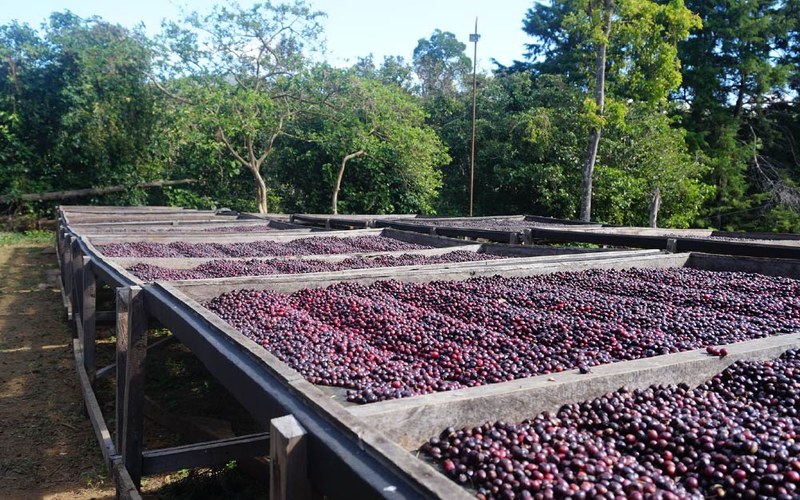
Light, Medium, and Dark Roasts: Cup Profile Differences in Decaf Pour-Over Beans
When selecting decaffeinated coffee beans, you can first judge the flavor direction by the roast level, then confirm the decaf or decaffeinated label on the packaging. The roast level mainly affects aroma, acidity, sweetness, and body, and does not by itself determine caffeine content. To reduce your intake, you should first confirm what process the beans have undergone; to make your brew [more…]
An In-Depth Analysis of Yirgacheffe: Origin, Variety, Processing Methods, and Front Street Coffee's Roast Flavor Profile
Yirgacheffe, with its fresh and bright flavor profile, enjoys extremely high acceptance among Chinese coffee enthusiasts. Starting from Front Street Yirgacheffe coffee beans, this article systematically reviews their flavor description and taste performance, and delves into how origin, variety, processing method, and estate background influence the final flavor in the cup. The article will analyze the true relationship between roast level and the expression of acidity, clarify the taste differences brought by light, medium, and medium-dark roasts, and explain the proportions that coffee growing environment, refinement methods, roasters, and baristas each contribute to flavor formation. Through questions on specific tasting dimensions, it helps readers judge whether the flavor release of Yirgacheffe is complete, and restores its rightful rose, jasmine, and nectar aromas along with a round, citrus- and orange-like acidity. [more…]
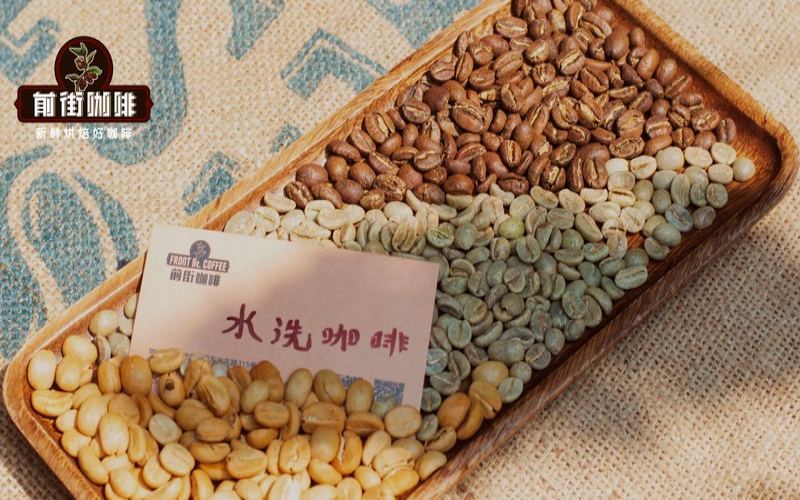
Sun-Dried Coffee Bean Recommendations: Exploring the Cup Profile from Light to Dark Roasts
Sun-dried processing allows coffee beans to retain a vivid fruity character, but the roast level rearranges the order in which these flavors appear. Light roasts make it easier to taste floral notes, fruity acidity, and a clean, transparent texture; medium roasts push sweetness and roundness to the forefront; dark roasts bring a fuller body and roasted aromas. When buying beans, first check the roast level indicated, then imagine [more…]
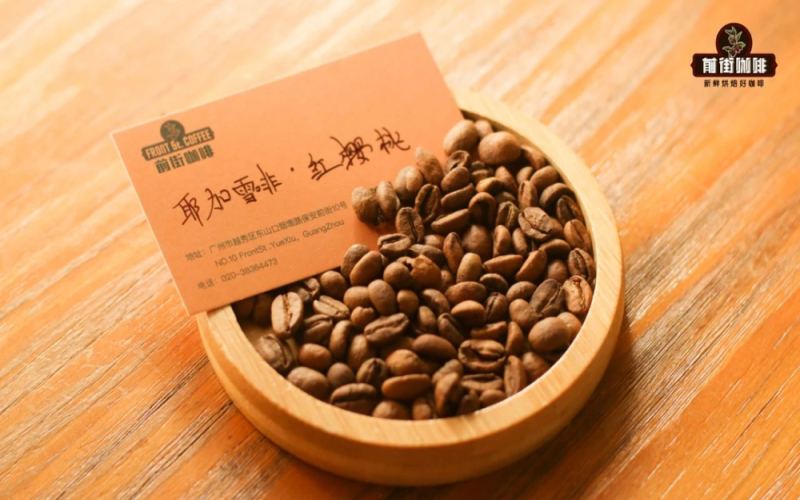
Yirgacheffe Roast Profile | Which roast level suits Yirgacheffe coffee beans? What are the differences in flavor and mouthfeel between light-roast and dark-roast Yirgacheffe coffee?
In the coffee industry, roasting is the most fascinating step. Green coffee beans are almost entirely devoid of flavor—tasting them directly reveals an rather unpleasant vegetal taste. So what kind of roasting process is needed to bring out the brilliance of these otherwise unremarkable green beans? Here at Front Street Coffee (FrontStreet [more…]
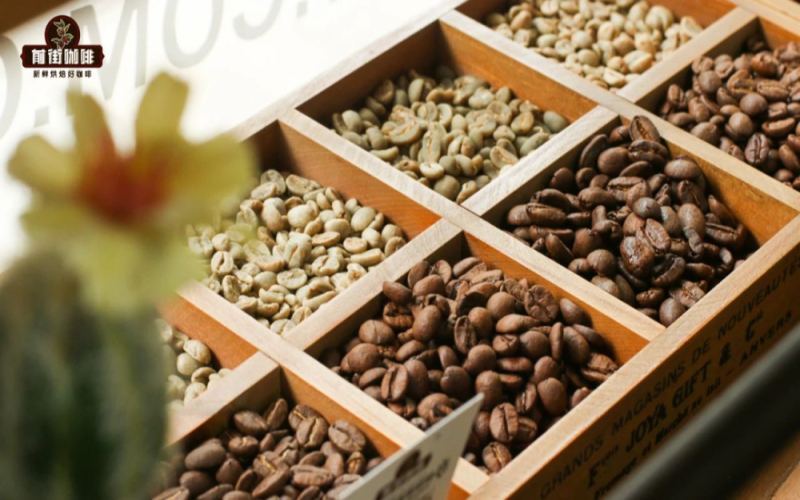
Light Roast Yirgacheffe Gedeb G1 Green Bean Review: Full Analysis of Three Profiles at the Same Roast Level with Cupping and Brewing
The Yirgacheffe region in Ethiopia is renowned for its bright fruity acidity and delicate floral aromas, and its Gedeb Cooperative stands out even further with a clean tea-like body and elegant citrus notes. Front Street Coffee sourced this Yirgacheffe Gedeb washed G1 coffee bean, grown at 1,900–2,300 meters, of the heirloom small-bean variety, with a defect rate controlled to within 3 beans per 300 grams. To find the optimal roasting approach, Front Street tested three light-roast profiles on a Yangjia 800N roaster, then verified the flavor performance through cupping and multiple brewing sessions. This article presents the full process—from green bean information, regional background, and grading standards to roasting curve comparisons, cupping records, and V60 brewing parameters—to help coffee enthusiasts understand the flavor differences and brewing key points of light-roasted beans at the same roast level. [more…]
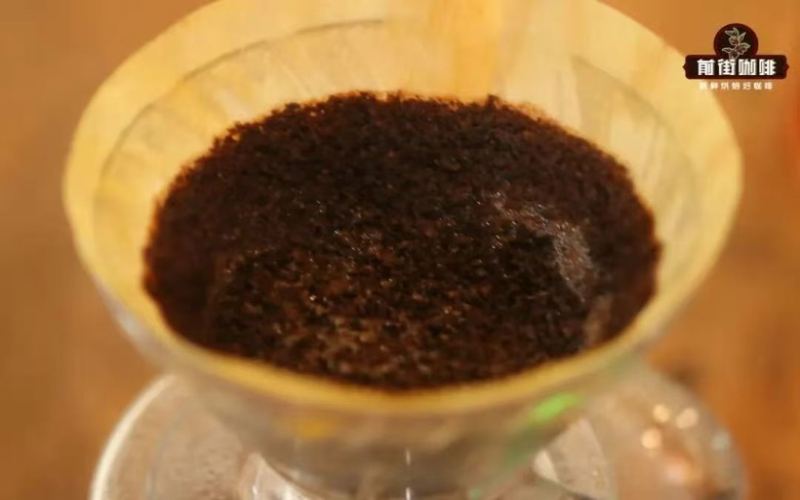
How to choose a few light-roast coffee beans suitable for pour-over: the changes in cup profile brought by different roast levels
The roast level changes the flavor focus and extraction rhythm of coffee beans. Light roasts usually retain more floral and fruity notes and bright acidity, medium roasts tend to present sweetness and balance, while dark roasts lean toward nutty, cocoa, and full-bodied flavors. There is no hierarchy among them; the key is whether they match your brewing method. Pour-over flavor is mainly determined by origin, va [more…]
A Curated Selection of Dark Roast Coffee Beans: A Comprehensive Analysis of Pour-Over Suitability, Parameter Settings, and Flavor Profile
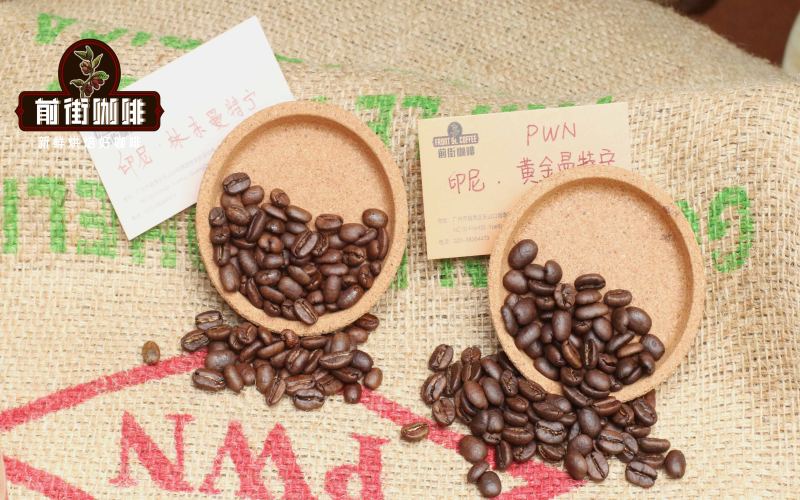
Can dark-roasted coffee beans be used for pour-over? The answer is yes, but it requires a brewing approach completely different from that for medium-light roasts. Starting from the concept of body, this article sorts out the flavor differences among light, medium, and dark roast levels, and recommends popular dark-roast single origins such as Front Street PWN Golden Mandheling, Queen's Estate, Jamaica Blue Mountain No. 1, and Huilan. Then, focusing on four dimensions—coffee-to-water ratio, brewing time, dripper selection, and pouring technique—it breaks down one by one the parameter adjustment methods for pour-over with dark-roasted beans: how to avoid a thin mouthfeel, prevent under-extraction, choose a KONO dripper to extend immersion, reduce water flow washing against the cup wall, and other practical tips to help you consistently brew rich, full-bodied dark-roast coffee. [more…]
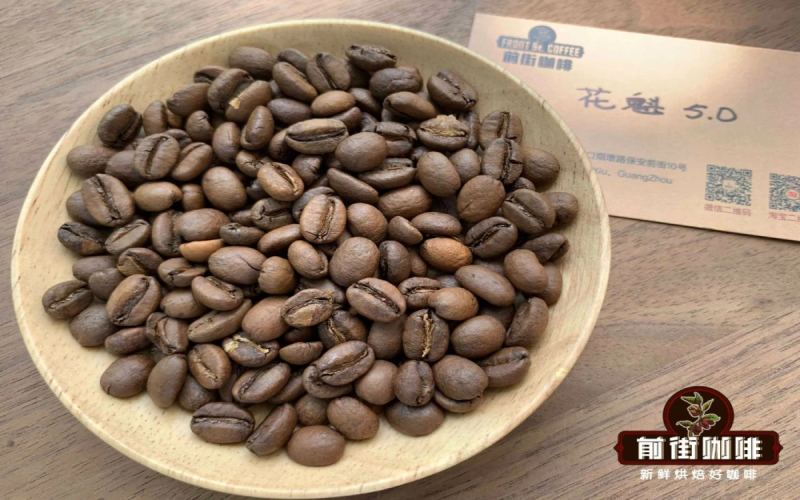
Analysis of Huakui Coffee Bean Roast Level and Flavor: A Guide to SOE Roast Profile Adjustments and Brewing Parameters
Huakui coffee beans originate from Hambela in the Sidama region of Ethiopia and are known for their berry cream and tropical fruit flavors. The degree of roast directly determines the direction of their flavor: a medium-light roast preserves bright acidity and floral-fruity aromas, while a medium-dark roast brings caramel and bitterness, masking the character of the origin. Front Street Coffee's roasters screened through cupping with three curves and ultimately determined the optimal roasting plan for Huakui, with the key points being the control of dehydration and yellowing, first crack timing, and development pace. This article will provide a complete analysis of Huakui's origin background, variety characteristics, and natural processing method, and will disclose Front Street Coffee's roasting curve data and V60 brewing parameters, helping coffee enthusiasts understand how to adjust the charge temperature and development time to release Huakui's layering and sweetness. [more…]
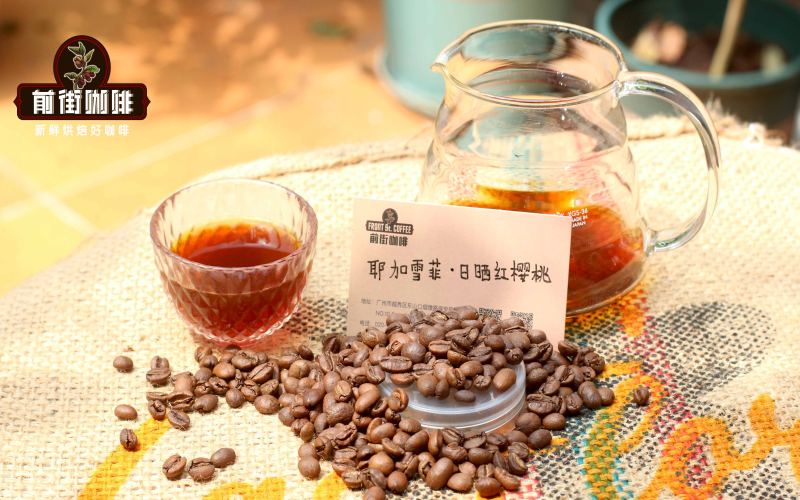
Front Street Coffee Natural Yirgacheffe G1 Red Cherry: A Full Analysis of the Heirloom Variety's Medium-Light Roast and Flavor Profile
Yirgacheffe, as Ethiopia's most iconic specialty coffee region, has long been sought after by coffee enthusiasts for its high-grade naturally processed beans. Front Street Coffee's naturally processed Yirgacheffe G1 Red Cherry comes from the Kochere region, at an altitude of 1,800 to 2,000 meters, using the Heirloom variety, naturally processed and medium-light roasted, presenting a complex flavor interwoven with peach, honey, citrus, and cane sugar. This article will take you through a comprehensive understanding of the unique charm of these coffee beans from multiple angles including dry aroma, wet aroma, processing method, and grade classification, and explain why the natural processing method can give coffee beans a more complete natural mellow flavor and rounded mouthfeel. [more…]
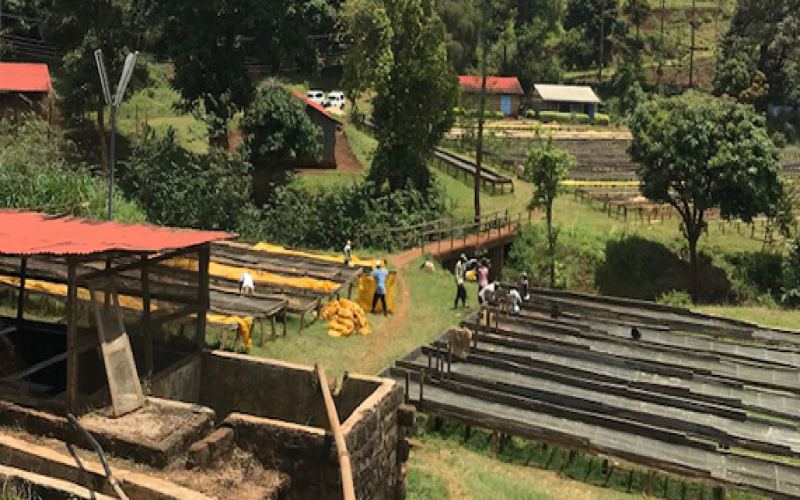
Roast Level Differences in Latte: How to Choose Among Three Bean Profiles
The essence of a latte is created together by coffee and milk. Milk brings sweetness, smoothness, and a soft aroma, while also muting the coffee's own acidity and subtle notes, so the roast level directly affects how present the coffee tastes in the finished cup. To make the coffee flavor stand out, look to a medium-dark roast; if you prefer a softer, sweeter taste, start with a medium roast; if [more…]
Front Street Wahana Estate Natural Mandheling: Flavor Profile and Brewing Highlights of the Estate Natural Process
Mandheling is a representative variety of Asian coffee, and its unique flavor is inseparable from Indonesia's traditional wet-hulling method. This article focuses on Front Street Coffee's Wahana Estate sun-dried Mandheling, guiding you through the background of this specialty estate in North Sumatra, the distinctive flavor profile of this sun-dried bean, and brewing suggestions for a light roast. From the estate's planting scale to its processing methods, and on to specific brewing parameters, we present this sun-dried Mandheling that overturns traditional impressions in full. [more…]
Nutty Chocolate-Flavored Coffee: Roast Level Determines the Taste Profile
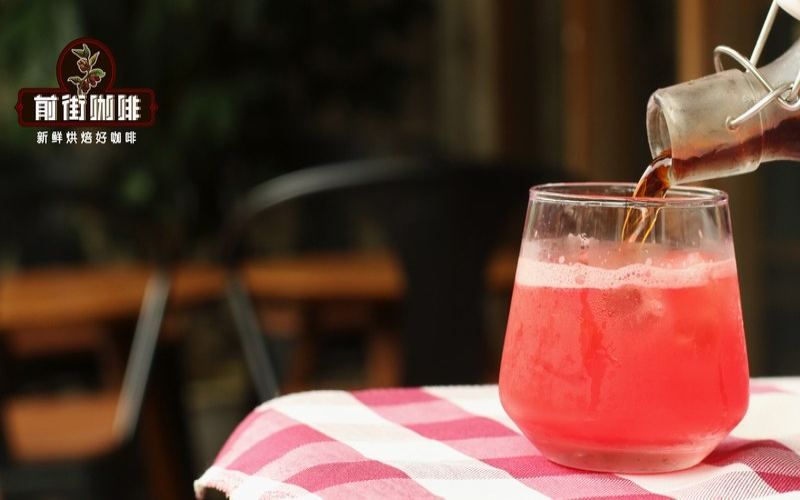
Flavors like nuts, cocoa, and caramel often bring to mind a round, sweet, and smooth cup of coffee. However, even when chocolate notes are listed, light, medium, and dark roasts deliver quite different experiences in the cup. Whether you want a crisp cocoa note, a soft nutty sweetness, or an intense dark chocolate flavor, the key is to first look at the roast level, then [more…]
Moka Pot Starter Beans: Roast Level Determines the Flavor Profile
Coffee brewed with a moka pot is relatively strong, and the roast level of the beans directly affects how it tastes. Light-roasted beans may bring bright acidity and fruity notes, medium-roasted beans are more likely to develop sweetness and balance, while dark-roasted beans lean toward cocoa, nutty, and roasted aromas. When you are just getting started with a moka pot, you can begin with flavors you are already familiar with, then [more…]
Tanzania Kilimanjaro Coffee Bean Flavor Profile and Peaberry Detailed Guide: From Origin to Grading and Brewing Guide
Kilimanjaro coffee comes from the volcanic region of Tanzania, home to Africa's highest peak, and is renowned for its washed processing and distinctive flavor. This article will guide you through the formation of Kilimanjaro Peaberry—a rare single seed resulting from uneven pollination or differences in nutrient distribution, accounting for only 5% to 10% of coffee production. The article also breaks down its complex flavor profile of creamy chocolate, dried plum, citrus acidity, and tea-like stone fruit, and explains how acidity and sweet aftertaste perform under a light roast. In addition, it compiles Tanzania's 8 screen-size grading classifications, as well as the different charms of Kilimanjaro AA in single-origin and blend applications, making it ideal for coffee enthusiasts seeking in-depth knowledge. [more…]
How to Choose the Roast Level for Green Coffee Beans? A Detailed Explanation of Flavor Differences Between Light, Medium, and Dark Roasts with Origin Examples
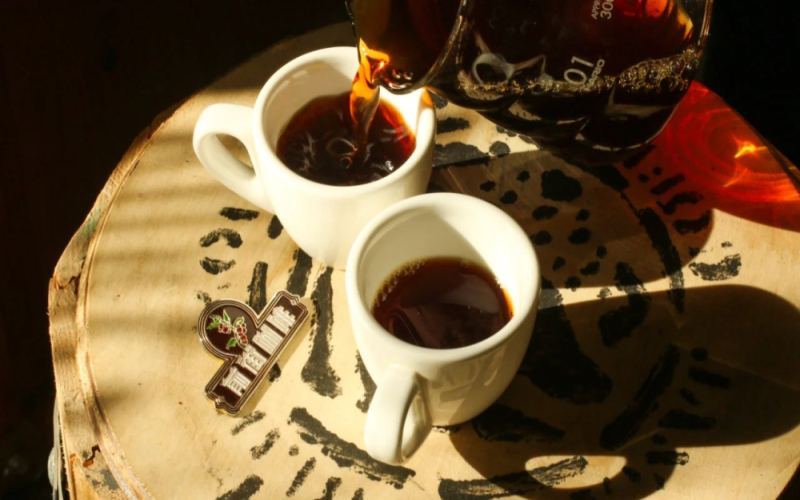
In the flavor composition of coffee, green beans account for sixty percent, roasting for thirty percent, and brewing for only ten percent, which shows that roasting has an enormous influence on the direction of the final flavor in the cup. But there is no absolute standard answer for roast level; different roasters have different understandings of the same bean and will choose different profiles. This article begins with how roast levels are named and how the intervals of first crack and second crack are divided, explains the flavor expressions of light, medium, and dark roasts, and then combines specific origin cases such as Mandheling, Yirgacheffe, and Geisha to explain the historical basis and bean-characteristic basis behind roasting decisions. The article also retains Front Street Coffee's approach to bean selection and profile design in actual roasting, for the reference of coffee enthusiasts. [more…]
The roast level for a Bialetti moka pot determines how you drink that brew.
The roast level of coffee beans directly influences the sweetness, acidity, body, and aroma profile of coffee brewed with a moka pot. Coffee extracted with a Bialetti moka pot is highly concentrated with a full mouthfeel, and the bean's own roasting style gets amplified. When choosing, first check the packaging for light, medium, or dark roast, then imagine whether you prefer a bright fruity acidity, or [more…]
Sidamo Coffee Flavor Characteristics, Taste Profile, Processing Methods, and Grinding Parameters: A Comprehensive Analysis
Sidamo is a highly representative specialty coffee region in Ethiopia, and its flavors display rich variation due to the diversity of its soil, microclimates, and native varieties. This article focuses on Front Street Coffee's selected Sidamo coffee, covering its origin background, cooperative information, flavor description, taste characteristics, differences in processing methods, and roasting and grinding recommendations one by one. The article also sorts out the flavor differences brought by the two processing methods of natural and washed, as well as the respective applicable scenarios of light-medium roast and medium-dark roast, helping coffee enthusiasts gain a more comprehensive understanding of the unique charm of this region. [more…]